

Every day, potential customers search Google for products and services. The question is simple: Will they find your business—or your competitors?
Many companies invest thousands of dollars in beautiful websites but still struggle to generate leads because they overlook one critical factor: Search Engine Optimization (SEO).
A visually appealing website means very little if nobody can find it.
In this guide, we’ll explore the most common SEO mistakes businesses make and show you how to fix them to improve your Google rankings, attract more qualified traffic, and increase conversions.
1. Treating SEO as a One-Time Task
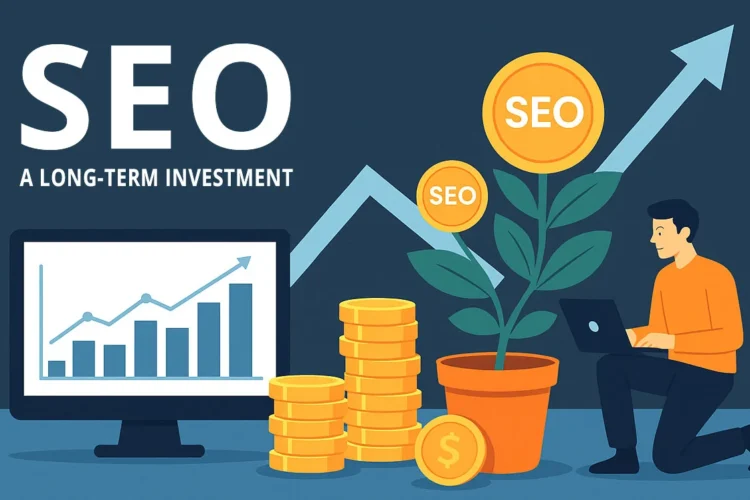
One of the biggest misconceptions is that SEO is something you do once.
Google updates its search algorithms thousands of times every year, competitors continuously publish new content, and search behavior constantly changes.
Businesses that consistently improve their websites outperform those that “set it and forget it.”
Successful SEO requires ongoing optimization, monitoring, and content updates.
2. Creating Content Without a Strategy
Publishing random blog posts rarely produces consistent results.
Instead, build your content around a specific topic.
For example, if your business offers SEO services, your content should cover topics like:
- Technical SEO
- Local SEO
- Keyword Research
- Link Building
- Website Speed
- SEO Audits
- Content Optimization
- Google Ranking Factors
This helps establish your website as an authority within your niche.
3. Ignoring Search Intent
Many websites focus only on keywords while forgetting why people perform searches.
Someone searching:
“What is Technical SEO?”
has a completely different intent than someone searching:
“Hire Technical SEO Experts.”
Understanding user intent allows you to create content that matches exactly what visitors expect to find.
Google rewards websites that satisfy search intent.
4. Publishing Average Content
Google doesn’t reward the first article—it rewards the best article.
Ask yourself:
- Does this article answer every important question?
- Is it more useful than competing pages?
- Does it provide actionable advice?
- Would someone bookmark or share it?
Exceptional content naturally earns backlinks, shares, and higher rankings.
5. Weak Internal Linking
Many websites publish hundreds of pages that never connect to one another.
Internal links help search engines understand your website while guiding visitors toward your most valuable pages.
For example, a blog about website speed should naturally link to:
- Technical SEO
- SEO Services
- Website Design
- SEO Audit
Strong internal linking distributes authority throughout your website.
6. Ignoring Technical SEO
Technical SEO often goes unnoticed because visitors don’t see it directly.
However, Google does.
Important technical factors include:
- Fast loading speed
- Mobile responsiveness
- Secure HTTPS connection
- Clean URL structure
- XML sitemap
- Structured data
- Proper indexing
Without a technically healthy website, even excellent content may struggle to rank.
7. Chasing Quantity Instead of Quality
Many businesses believe publishing more articles automatically leads to better rankings.
Quality almost always wins.
One outstanding guide can outperform dozens of short, low-value blog posts.
Invest time in creating resources that genuinely solve problems.
8. Building Low-Quality Backlinks
Not every backlink improves SEO.
Google values links from trusted, relevant websites far more than hundreds of spammy links.
Focus on:
- Industry publications
- Business websites
- News articles
- Professional blogs
- Resource pages
Authoritative backlinks strengthen your website’s credibility.
9. Forgetting User Experience
SEO isn’t just about search engines.
Visitors expect websites that are:
- Fast
- Easy to navigate
- Mobile-friendly
- Visually organized
- Easy to read
A positive user experience keeps visitors engaged and increases the likelihood of conversions.
10. Measuring the Wrong Metrics
Many businesses obsess over rankings while ignoring what actually matters.
Success should be measured by:
- Qualified organic traffic
- Leads generated
- Conversion rate
- Revenue growth
- Customer inquiries
Higher rankings are valuable only if they lead to business results.
Build an SEO Strategy That Delivers Long-Term Results
An effective SEO strategy combines multiple elements working together:
✅ High-quality content
✅ Technical optimization
✅ Strategic keyword research
✅ Ethical link building
✅ Strong internal linking
✅ Excellent user experience
✅ Continuous monitoring and improvement
Businesses that consistently invest in these areas create a sustainable competitive advantage.
Final Thoughts
SEO isn’t about finding shortcuts or trying to outsmart Google. It’s about creating a website that deserves to rank because it provides real value to users.
SEO, SEO Mistakes, Search Engine Optimization, Google Rankings, Organic Traffic, Technical SEO, On-Page SEO, Link Building, Content Marketing, Website Optimization
When you combine outstanding content, technical excellence, authoritative backlinks, and a great user experience, you build more than just search rankings—you build trust.
And trust is what turns visitors into customers.
If your goal is long-term business growth, consistent lead generation, and stronger online visibility, investing in professional SEO is one of the smartest decisions you can make.