



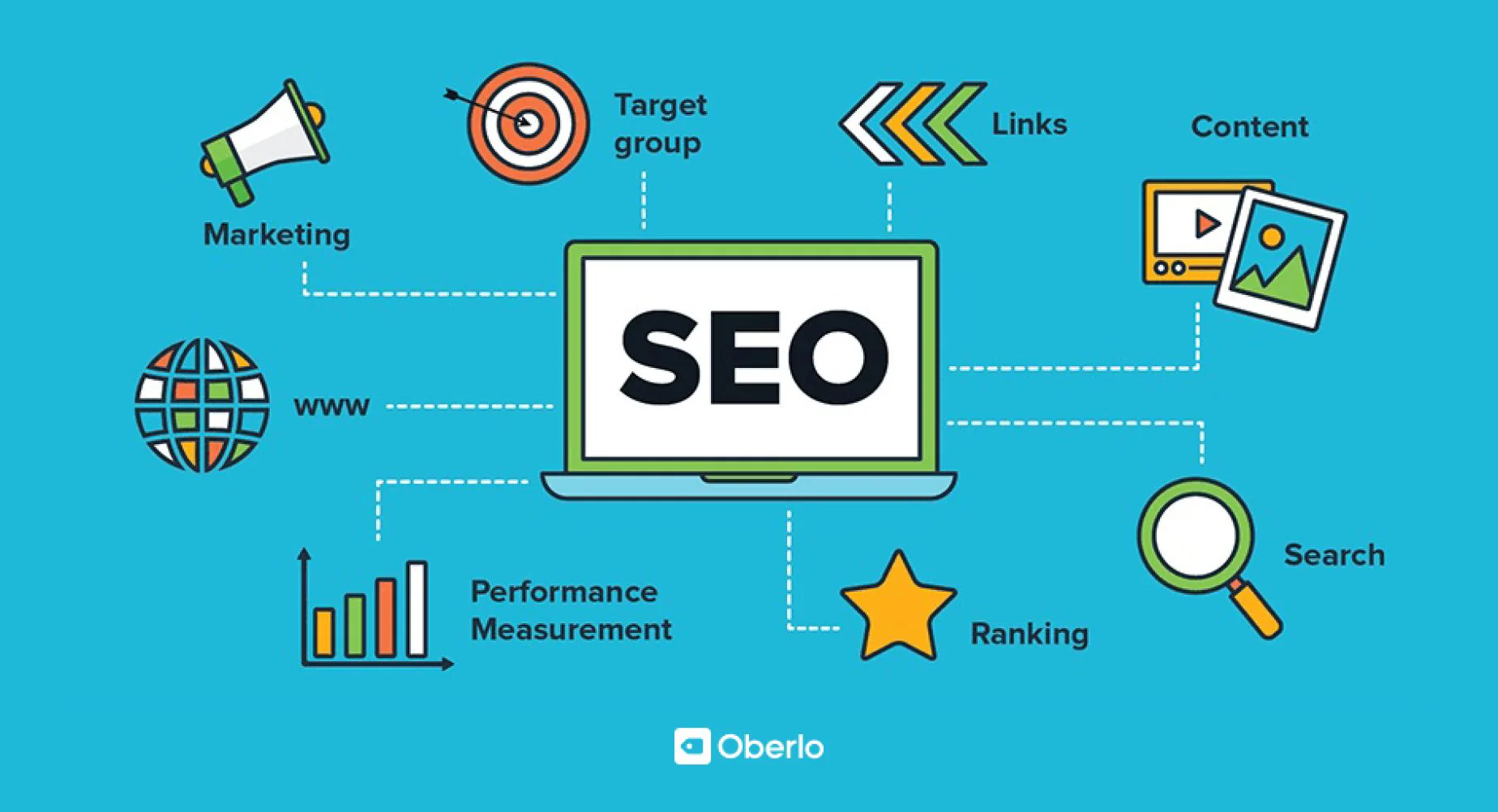
Creating great content is only one part of a successful SEO strategy. Even the most informative articles and well-designed pages can struggle to rank if your website has technical issues. Technical SEO ensures that search engines can crawl, understand, and index your website efficiently, creating a strong foundation for higher rankings and better user experiences.
In this guide, you’ll learn what technical SEO is, why it matters, and the most important optimizations every website should implement.
What Is Technical SEO?
Technical SEO refers to the process of optimizing your website’s infrastructure so search engines can easily access and understand your content. Unlike on-page SEO, which focuses on content and keywords, technical SEO deals with the behind-the-scenes elements that affect your website’s performance.
A technically optimized website helps search engines discover your pages faster, improves user experience, and supports long-term organic growth.
Why Technical SEO Matters
A website with technical issues may experience:
- Poor search rankings
- Slow page loading speeds
- Lower organic traffic
- Crawl errors
- Poor mobile usability
- Reduced conversion rates
By fixing these issues, you make it easier for both users and search engines to interact with your website.
1. Improve Website Speed
Website speed is one of the most important aspects of technical SEO. Visitors expect pages to load quickly, and search engines favor websites that deliver a fast browsing experience.
Improve speed by:
- Compressing images
- Enabling browser caching
- Reducing unnecessary code
- Using reliable hosting
- Optimizing CSS and JavaScript
- Implementing lazy loading
A faster website often leads to lower bounce rates and better engagement.
2. Make Your Website Mobile-Friendly
Google primarily uses the mobile version of your website for indexing and ranking.
Your website should:
- Adapt to every screen size
- Display readable text
- Load quickly on mobile devices
- Have touch-friendly navigation
- Avoid intrusive pop-ups
A responsive design improves both SEO and user satisfaction. Blog post Backlinks
3. Secure Your Website with HTTPS
Website security is essential for building trust.
Using HTTPS helps:
- Protect user data
- Improve credibility
- Support better search visibility
Visitors are far more likely to trust websites that display a secure connection.
4. Optimize Your Website Structure
A clear website structure helps search engines understand the relationship between your pages.
Best practices include:
- Simple navigation
- Logical page hierarchy
- SEO-friendly URLs
- Internal linking between related pages
- Breadcrumb navigation
Well-organized websites are easier to crawl and provide a better user experience.
5. Create an XML Sitemap
An XML sitemap helps search engines discover important pages on your website.
Update your sitemap whenever you publish new content and submit it through Google Search Console to improve crawling efficiency.
6. Fix Crawl Errors
Broken pages and server errors can prevent search engines from indexing valuable content.
Regularly check for:
- 404 errors
- Redirect chains
- Broken internal links
- Duplicate pages
- Server response issues
Resolving these problems helps maintain a healthy website.
7. Use Structured Data
Structured data helps search engines understand your content more effectively.
Schema markup can enhance search listings by displaying additional information such as:
- FAQs
- Reviews
- Articles
- Organizations
- Products
- Breadcrumbs
Rich search results often attract more clicks than standard listings.
8. Optimize Core Web Vitals
Core Web Vitals measure important aspects of user experience.
Focus on improving:
- Loading performance
- Visual stability
- Interaction responsiveness
Monitoring these metrics helps identify opportunities to improve both SEO and usability.
9. Eliminate Duplicate Content
Duplicate content can confuse search engines and dilute ranking signals.
Avoid duplicate pages by:
- Using canonical tags
- Creating unique content
- Managing URL parameters
- Redirecting outdated pages properly
Original content provides stronger SEO value.
10. Monitor Technical Performance Regularly
Technical SEO is not a one-time project.
Regularly review your website for:
- Crawl issues
- Security problems
- Page speed
- Mobile usability
- Broken links
- Indexing status
Routine maintenance helps keep your website competitive in search results.
Final Thoughts
Technical SEO is the foundation of every successful website. Without it, even the best content and strongest backlink profile may struggle to achieve their full ranking potential.
By improving website speed, mobile usability, security, crawlability, and structured data, you create a website that both users and search engines can trust.
Investing in technical SEO today will help your website perform better, rank higher, and generate more organic traffic for years to come.