


Ranking on Google is not simply about choosing keywords with high search volume. The real goal of SEO is to attract people who are searching for the products or services your business provides.
A website can receive thousands of visitors and still generate very few leads if it targets the wrong keywords.
That is why keyword research is one of the most important parts of a successful SEO strategy. The right keywords can bring qualified visitors to your website, increase visibility, generate leads, and ultimately help your business grow.
In this guide, we explain how to find the right keywords for your business and how to use them strategically across your website.
What Are SEO Keywords?
SEO keywords are words and phrases that people type into search engines when looking for information, products, or services.
For example, someone looking for an SEO company might search for:
- SEO agency
- SEO services
- SEO company near me
- local SEO services
- SEO optimization agency
- affordable SEO services
- best SEO company
Each search represents a different type of user and potentially a different level of buying intent.
The objective is not to rank for every possible keyword. Instead, you want to identify the keywords that are most relevant to your business and most likely to generate valuable customers.
Why Choosing the Right Keywords Matters
Imagine that your website ranks #1 for a keyword that receives thousands of searches every month.
That sounds excellent.
But if those searches come from people who are not interested in your services, the traffic may have very little business value.
On the other hand, a keyword with only a few hundred monthly searches could generate significantly more customers if the people searching it are ready to buy.
This is why search intent is often more important than search volume.
Your keyword strategy should focus on attracting the right audience rather than simply attracting the largest possible audience.
1. Start With Your Products and Services
The easiest way to begin keyword research is to create a list of everything your business offers.
For a digital marketing agency, this could include:
- SEO services
- technical SEO
- local SEO
- website design
- web development
- Google Ads
- PPC advertising
- social media marketing
- link building
- content marketing
- digital marketing
These topics become the foundation of your keyword research.
Instead of immediately looking for hundreds of keywords, start with the services that generate revenue for your business.
2. Understand Search Intent
Search intent describes what someone actually wants when they perform a Google search.
There are several common types of search intent.
Informational Intent
The user wants information.
Examples:
- What is SEO?
- How does SEO work?
- How to improve Google rankings
- What are backlinks?
These keywords can be excellent for blog content and building awareness.
Commercial Intent
The user is researching a product or service before making a decision.
Examples:
- best SEO agencies
- SEO agency pricing
- SEO services for small business
- best web design company
These searches can be valuable because the user is already considering a purchase.
Transactional Intent
The user is closer to taking action.
Examples:
- hire SEO agency
- buy SEO services
- SEO services near me
- website design services
- PPC management company
These keywords can be particularly valuable for service pages and landing pages.
Navigational Intent
The user is looking for a specific company, website, or brand.
Examples:
- Google Search Console
- Semrush
- SEO Marketing House
Understanding intent helps you decide what type of page should rank for each keyword.
3. Use Long-Tail Keywords
Long-tail keywords are longer and more specific search phrases.
For example:
SEO
is extremely broad.
Compare that with:
SEO services for small businesses in London
The second keyword is much more specific.
Long-tail keywords often have lower search volume, but they can provide highly targeted traffic because they reveal more information about what the searcher wants.
Other examples include:
- local SEO services for small businesses
- affordable website design services
- SEO agency for law firms
- Google Ads management for small businesses
- professional web design services for businesses
A strong SEO strategy usually combines broader keywords with highly targeted long-tail keywords.
4. Research What Your Competitors Are Ranking For
Your competitors can provide valuable information about the keywords and topics that matter in your industry.
Search Google for your main services and examine the websites appearing on the first page.
Look at:
- Their page titles
- Main headings
- Service pages
- Blog topics
- Frequently discussed subjects
- Internal linking structure
- Content depth
- Location pages
- Frequently targeted services
You can then identify opportunities that your website has not yet covered.
Competitor research should not mean copying another website.
Instead, use it to understand the market and identify areas where you can create more useful and relevant content.
5. Create One Main Keyword for Each Important Page
One common SEO mistake is trying to optimize one page for dozens of unrelated keywords.
Instead, give every important page a clear primary topic.
For example:
Homepage
Primary topic: digital marketing agency
SEO service page
Primary topic: SEO services
Local SEO page
Primary topic: local SEO services
Web design page
Primary topic: website design services
Google Ads page
Primary topic: PPC advertising
Blog article
Primary topic: how to improve Google rankings
This creates a much clearer structure for both users and search engines.
6. Build Topic Clusters
Modern SEO is not just about creating individual pages.
You can build groups of related content around an important subject.
For example, you could create a main SEO service page supported by articles such as:
- What Is SEO?
- How to Perform an SEO Audit
- How to Improve Website Rankings
- Common SEO Mistakes
- How Long Does SEO Take?
- How to Build Quality Backlinks
- How to Improve Local SEO
- How to Create an SEO Content Strategy
These articles can link naturally back to the main SEO service page.
This structure helps users discover related information while creating a stronger topical relationship between your pages.
7. Don’t Ignore Commercial Keywords
Many businesses publish large amounts of informational content but forget to target keywords that can generate customers.
For example, an article about:
What Is SEO?
can attract beginners.
But a page targeting:
SEO services for businesses
is much closer to the point where someone may contact an agency.
Your website should therefore contain a balance of:
- Informational keywords
- Commercial keywords
- Transactional keywords
- Brand keywords
The goal is to move visitors from learning about a problem to understanding your solution.
8. Use Keywords Naturally
Keyword optimization does not mean repeating the same phrase dozens of times.
Google’s guidance emphasizes creating useful, people-first content rather than writing content primarily to manipulate search rankings.
Your primary keyword should appear naturally where appropriate, including areas such as:
- Page title
- Main heading
- Introduction
- Relevant subheadings
- Body content
- Image alt text where appropriate
- Internal links
- Meta description where useful
But avoid unnatural repetition.
Instead of writing:
“SEO agency services are important because SEO agency services help businesses and SEO agency services can improve rankings…”
write naturally for the reader.
The topic and context should make it clear what the page is about.
9. Connect Keywords With Internal Links
Internal linking is one of the easiest ways to create a better website structure.
For example, a blog article about Google rankings could naturally link to your SEO service page.
An article about website speed could link to your web design service.
An article about online advertising could link to your PPC service.
Useful anchor text might include phrases such as:
- SEO optimization agency
- website design services
- local SEO companies
- PPC marketing agency
- web design services
- digital media agency
- digital marketing company
- Best backlinks for SEO
The important thing is that the link should make sense in the context of the sentence.
10. Target Local Keywords When Location Matters
If your business serves a specific geographical area, local keywords can be extremely valuable.
Examples include:
- SEO agency London
- SEO company Manchester
- web design Birmingham
- local SEO services New York
- digital marketing agency Chicago
You can also target phrases containing:
- near me
- local
- city names
- regions
- neighborhoods
However, avoid creating dozens of low-quality location pages that provide almost identical information.
Each location page should provide genuinely useful information for customers in that area.
11. Consider Keyword Difficulty
Not every keyword will be equally easy to rank for.
Highly competitive keywords can have websites with:
- Strong domain authority
- Large backlink profiles
- Thousands of pages
- Established brands
- Significant content resources
A newer website may therefore benefit from targeting more specific keywords initially.
For example, instead of immediately targeting:
SEO
you could target:
SEO services for small businesses
and eventually build authority around broader SEO topics.
This creates a more realistic path toward long-term organic growth.
12. Monitor Which Keywords Actually Produce Results
Ranking is not the final goal.
Business results are.
After publishing content, monitor:
- Organic impressions
- Clicks
- Search queries
- Click-through rate
- Rankings
- Organic traffic
- Leads
- Phone calls
- Contact form submissions
- Sales
Google Search Console can help you understand which queries are generating impressions and clicks for your website.
This data can reveal new keyword opportunities that you may not have considered when creating the original content.
Google Search Essentials — useful for the article’s discussion of people-first content, relevant wording, links and SEO best practices.
13. Update Your Keyword Strategy Over Time
Keyword research should not be something you do once and forget.
Search behavior changes.
Competitors publish new pages.
New products and services appear.
Customers use different phrases.
Google’s search results also evolve.
Review your important pages regularly and look for opportunities to:
- Improve content
- Add missing topics
- Target relevant new queries
- Strengthen internal links
- Improve titles
- Improve conversion elements
- Update outdated information
A website that continuously improves can build stronger organic visibility over time.
Final Thoughts
Successful SEO starts with understanding what your potential customers are actually searching for.
The goal is not to collect hundreds of keywords or chase the biggest search volume.
The goal is to identify the searches that connect customer problems with your products and services.
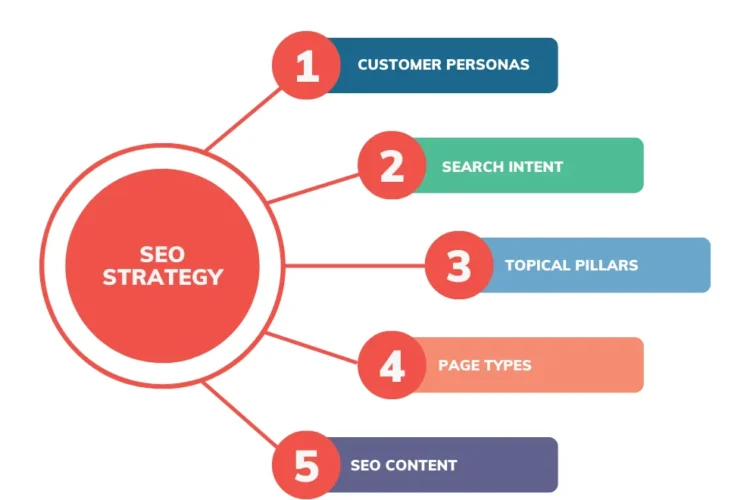
A strong keyword strategy combines search intent, long-tail keywords, competitor research, topic clusters, internal linking, and conversion-focused pages.
When these elements work together, SEO becomes more than a traffic strategy. It becomes a system for attracting people who are actively looking for what your business offers.
If your website targets the right keywords, provides genuinely useful content, and gives visitors a clear reason to contact you, organic search can become a consistent source of qualified leads and long-term business growth.
Need help finding the right keywords and building an SEO strategy? A professional SEO and digital marketing strategy can help identify valuable search opportunities, optimize your website, and turn organic traffic into potential customers.

Author