

Getting visitors to your website is important, but traffic alone does not grow a business. The real goal of SEO is to attract the right people, provide the information they need, and turn website visitors into leads and customers.
A successful SEO strategy combines keyword research, valuable content, technical optimization, backlinks, professional website design, and conversion optimization. When these elements work together, your website can become a powerful source of new business.
1. Target Keywords With Buying Intent
Not every keyword has the same value.
Someone searching for “what is SEO?” is looking for information. Someone searching for “SEO agency for small business” is much closer to contacting a service provider.
This is why businesses should target different types of search intent:
- Informational keywords
- Commercial keywords
- Transactional keywords
- Local keywords
- Branded keywords
Commercial and transactional keywords can be particularly valuable because they often indicate that a visitor is researching or preparing to purchase a product or service.
2. Create Landing Pages for Your Services
One common SEO mistake is trying to rank one page for every keyword.
Instead, create dedicated pages for important services.
For example, a digital marketing business could have separate pages for:
Each page should clearly explain the service, its benefits, who it is for, and how visitors can get started.
This also gives you more opportunities to target relevant search terms.
3. Make Your Website Easy to Navigate
SEO brings people to your website, but your website needs to guide them toward the next step.
Your navigation should be simple and logical. Visitors should quickly understand:
What you offer → Why they should choose you → What they should do next.
Use clear buttons such as:
Get a Free Consultation
Request an SEO Audit
Contact Us
Get a Quote
Clear calls to action can make it easier for interested visitors to become leads.
4. Publish Content That Answers Real Questions
Blog content can attract potential customers before they are ready to buy.
For example, an SEO agency could publish:
- How Much Does SEO Cost?
- How Long Does SEO Take?
- How Do Backlinks Help SEO?
- How to Choose an SEO Agency
- What Is Technical SEO?
- How Can Local SEO Increase Customers?
These articles can attract people searching for answers while introducing them to your services.
The key is to make the content genuinely useful rather than writing articles simply to insert keywords.
5. Build Relevant Backlinks
Backlinks can play an important role in an SEO strategy.
A backlink is a link from another website to your website. Links from relevant and trustworthy websites can help increase your site’s authority and make it easier for search engines to discover your content.
Potential link-building methods include:
- Guest posting
- Digital PR
- Industry directories
- Resource pages
- Partnerships
- Original research
- Useful guides and tools
Avoid focusing exclusively on the number of backlinks. Relevance and overall quality are important considerations.
6. Improve Your Local SEO
If your business serves a specific geographic area, local SEO can help you reach people searching for services nearby.
Important areas of local SEO include:
- Google Business Profile
- Consistent business information
- Local citations
- Customer reviews
- Location pages
- Local content
- Relevant local backlinks
For example, a business offering web design in a specific city can create useful location-focused content and optimize its website around relevant local searches.
7. Use PPC Alongside SEO
SEO and PPC can complement each other.
SEO focuses primarily on organic search visibility, while PPC allows businesses to appear in paid advertising placements for selected searches.
PPC can be useful when you want to test specific keywords, promote an offer, or generate targeted traffic while your organic SEO strategy develops.
The two channels can also provide useful data about which search terms and offers generate customer interest.
8. Optimize Your Website for Conversions
Imagine receiving 1,000 visitors but only one person contacts your business.
The problem may not be your traffic. It may be your website’s conversion experience.
Review your:
- Headlines
- Service descriptions
- Contact forms
- Calls to action
- Pricing information
- Testimonials
- Trust signals
- Mobile experience
Make it as easy as possible for visitors to understand your offer and contact you.
9. Track Leads Instead of Only Rankings
Ranking higher on Google can be useful, but rankings should not be the only measurement.
A business should also track:
- Organic visitors
- Leads
- Phone calls
- Contact form submissions
- Sales
- Conversion rates
- Revenue generated from organic traffic
This provides a clearer picture of whether SEO is contributing to business growth.
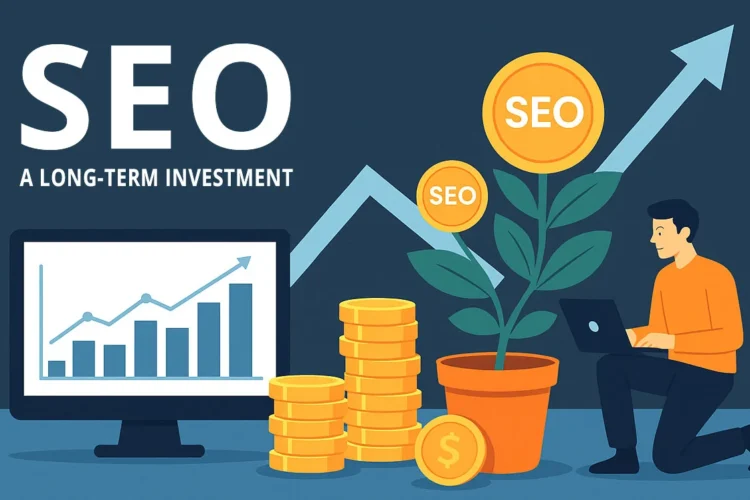
10. Build a Long-Term SEO Strategy
SEO is not a one-time task.
Search results change, competitors publish new content, websites gain backlinks, and customer behavior evolves.
A sustainable SEO strategy should involve continuous:
Research → Optimization → Content → Link Building → Measurement → Improvement
Over time, this process can help create a stronger website and a more valuable source of organic traffic.
Final Thoughts
Getting Google traffic is only one part of digital marketing. The bigger opportunity is turning that traffic into real business results.
By targeting valuable keywords, creating useful content, building relevant backlinks, improving website design, investing in local SEO, and optimizing conversions, businesses can create a website that works not only as an online brochure but also as a customer acquisition channel.
If your website attracts the right audience and gives visitors a clear reason to take action, SEO can become an important part of your long-term growth strategy.